
How to Keep a Balanced Gut Microbiome (and Why It Matters More Than You Think)
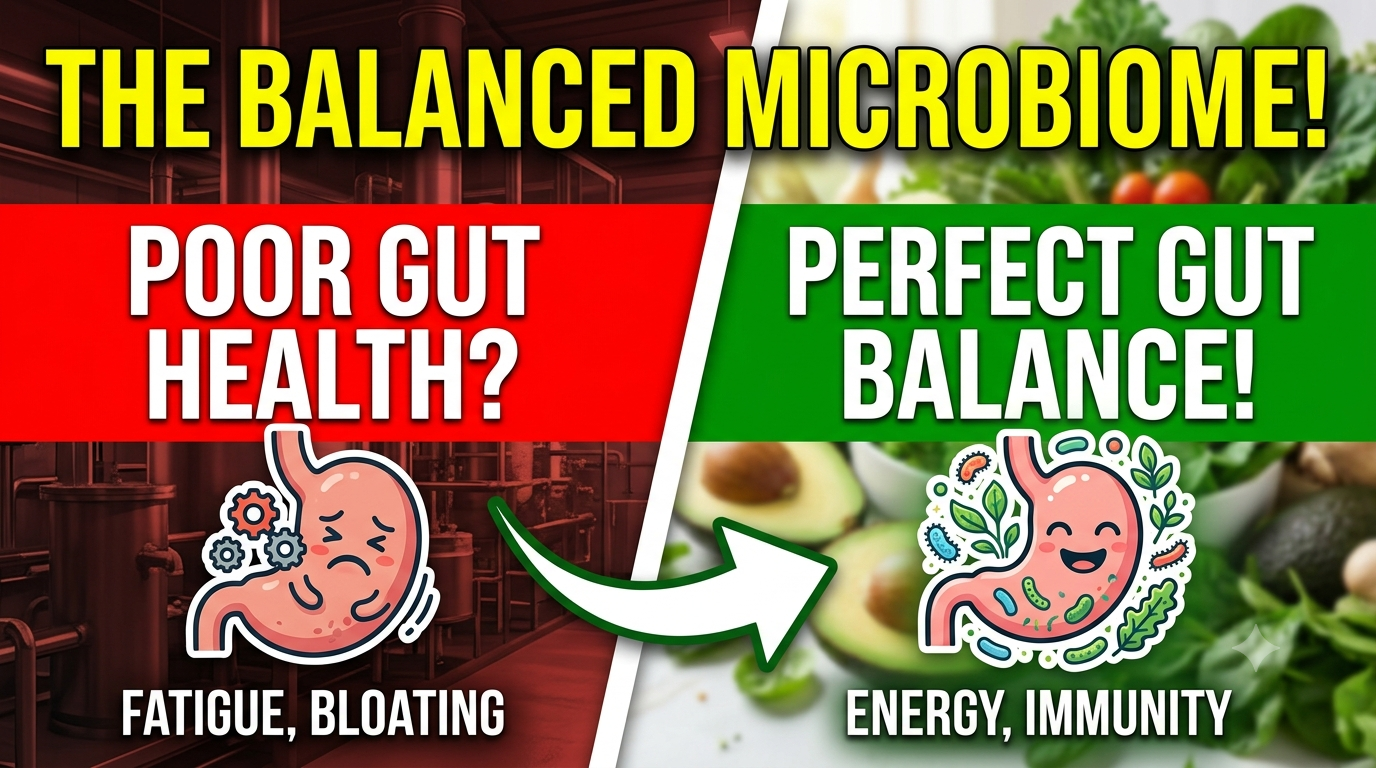
Your gut is home to trillions of microbes - a whole inner ecosystem that affects everything from digestion to hormones to fertility. When this ecosystem is balanced, you feel energised, clear‑headed, and resilient. When it’s not, you feel it: bloating, cravings, fatigue, skin issues, mood swings, and that sense that your body is “off.”
So what actually throws the gut out of balance? And how do you support it? Let’s break it down.
What Disrupts Your Gut Microbiome?
1. Antibiotics
Antibiotics are powerful and sometimes absolutely necessary - but they’re also one of the biggest disruptors of gut health.
They don’t just kill the “bad guys.”
They wipe out the good bacteria too.
After a course of antibiotics, your beneficial bacteria are weakened, and harmful bacteria can multiply faster because they’re suddenly facing less resistance. This imbalance can take months to correct naturally.
During that time, you may notice:
- Bloating
- Irregular digestion
- Cravings
- Lower immunity
- More inflammation
This is why gut support after antibiotics is so important.
2. Stress
When you’re stressed, your body shifts into “fight or flight,” and digestion becomes a low priority. Stomach acid drops, gut motility slows, and the immune system becomes less effective.
This creates the perfect environment for harmful bacteria to thrive.
Chronic stress can also weaken the gut lining, making it easier for endotoxins to pass into the bloodstream and trigger inflammation.
3. Too Much Sugar
Sugar is like fertiliser for harmful microbes - especially yeasts like Candida.
When you eat a lot of sugar:
- Harmful bacteria and fungi multiply
- Undigested sugar ferments in the gut
- Fermentation produces gas and endotoxins
- The gut becomes more acidic
- Beneficial bacteria struggle to survive
This is why high‑sugar diets often lead to bloating, cravings, and fatigue.
4. Sulphites and Sulfates in Packaged Foods
Sulphites and sulfates are preservatives used to extend shelf life. They’re found in:
- Dried fruit
- Dehydrated vegetables
- Packaged juices
- Baked goods
- Alcohol (especially wine)
- Shellfish
- White bread
These preservatives can irritate the gut lining and encourage harmful microbes to grow. Over time, this can damage the mucous layer that protects your intestines and contribute to dysbiosis (microbial imbalance).
How to Support a Healthy Gut Microbiome
Making these small, consistent habits will make a huge difference.
- Add Prebiotic or Probiotic Foods or Supplements to your diet
Probiotics are live bacteria you can ingest help rebuild beneficial bacteria and support a more diverse, resilient microbiome. Prebiotics on the other hand stimulate the growth and activity of healthy gut bacteria. - Avoid Unnecessary Antibiotics. Use them only when absolutely needed. This protects your gut from unnecessary disruption.
- Manage Stress Daily
Even 5 minutes of deep breathing, stretching, or stepping outside can shift your body back into “rest and digest.” - Reduce Sugar and Refined Carbs
This helps starve harmful microbes and reduces fermentation and endotoxin production. - Limit Sulphites and Sulfates
Choosing fresh, whole foods over heavily preserved ones helps protect your gut lining and reduces microbial imbalances.
Your gut microbiome is one of the most powerful influencers of your overall health - including your fertility. When it’s balanced, everything works better: digestion, hormones, detoxification, immunity, and energy.
When it’s out of balance, harmful microbes can multiply, produce more endotoxins, and create inflammation that affects your whole body.
Supporting your gut is one of the simplest, most effective ways to feel better from the inside out.