
Why Fat Matters: Understanding the Essential Role of Dietary Fat in Fertility and Health
For decades, dietary fat was often portrayed as something to fear. Low-fat foods filled supermarket shelves, and many people became convinced that eating fat would automatically lead to weight gain and poor health.
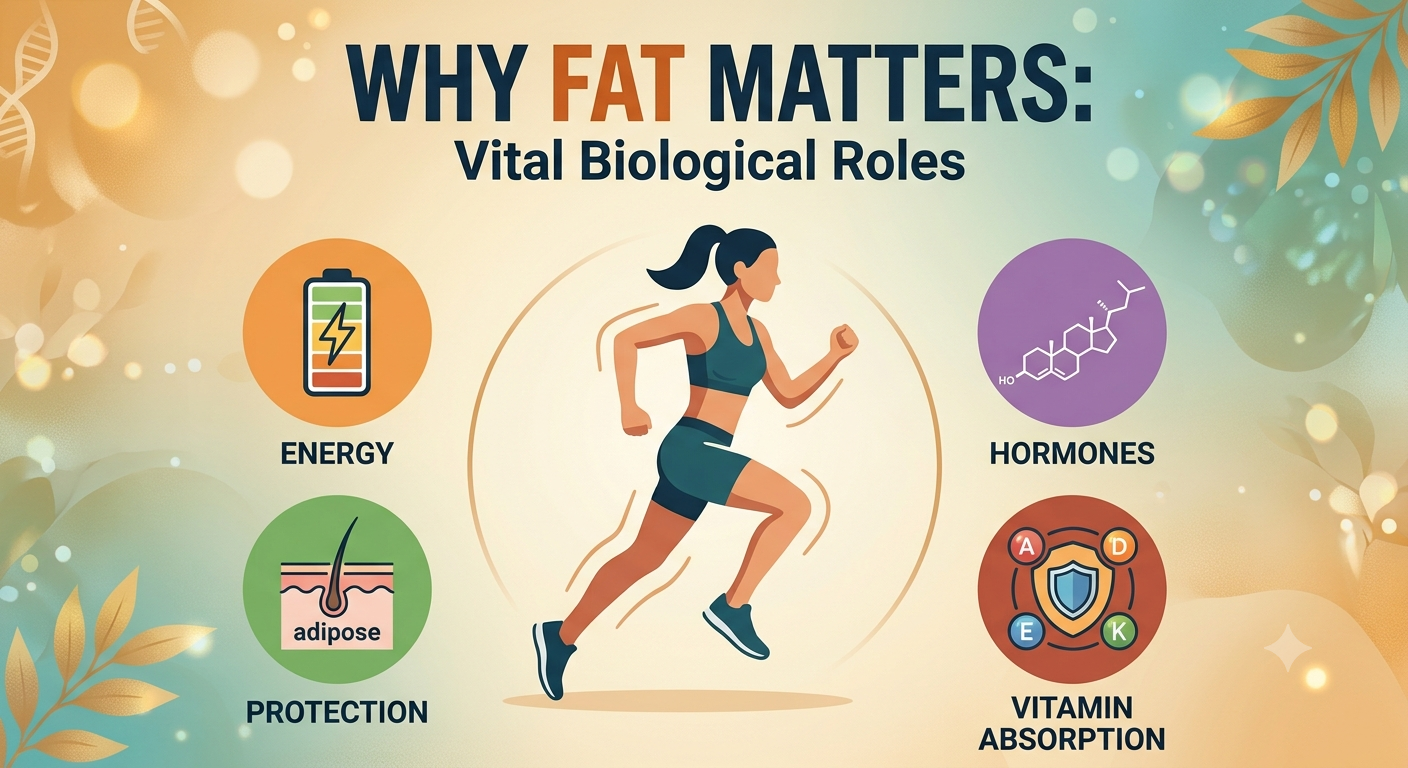
Today, we understand that the story is way more complex. Fat is not only an important source of energy, but it also plays a vital role in fertility, hormone production, brain health, and the absorption of key nutrients. In fact, consuming too little fat can have a negative impact on reproductive health and overall wellbeing.
Let's explore why fat is so important, how the body uses it for energy, and how to ensure you're getting the right amount.
What Is Fat?
Fat is one of the three macronutrients our bodies need, alongside carbohydrates and protein. Each gram of fat provides approximately 9 calories of energy, making it the most energy-dense macronutrient.
Most of the fat we eat comes in the form of triglycerides. A triglyceride is made up of one glycerol molecule attached to three fatty acids. These fatty acids vary in their structure and function, which is why different types of fats can have different effects on health.
Types of Dietary Fat
Dietary fats can be broadly grouped into:
Unsaturated fats
- Olive oil
- Avocados
- Nuts and seeds
- Oily fish such as salmon, sardines and mackerel
These fats are generally associated with positive health outcomes and support cardiovascular and reproductive health.
Saturated fats
- Butter
- Full-fat dairy products
- Coconut products
- Meat
These fats can form part of a balanced diet when consumed in moderation.
Trans fats
- Found mainly in some highly processed foods
These fats are associated with poorer health outcomes and should be minimised, or preferably avoided where possible.
Why Do We Need Fat?
Fat performs many essential functions within the body.
Hormone Production
One of the most important roles of fat is providing the building blocks needed for hormone production. Cholesterol, which is produced naturally by the body and obtained in small amounts from food, is used to manufacture hormones including oestrogen, progesterone and testosterone.
These hormones are fundamental for:
- Ovulation
- Menstrual cycle regulation
- Sperm production
- Pregnancy support
For individuals trying to conceive, adequate fat intake is particularly important as overly restrictive diets may disrupt normal hormone production.
Cell Health
Every cell in the body is surrounded by a membrane that contains fatty acids. These fats help maintain cell structure and allow cells to communicate effectively.
Brain Function
Approximately 60% of the brain is made up of fat. Omega-3 fatty acids, in particular, play an important role in brain development, mood regulation and cognitive function.
Nutrient Absorption
Certain vitamins are fat-soluble, meaning they require fat for proper absorption. These are:
- Vitamin A
- Vitamin D
- Vitamin E
- Vitamin K
Without sufficient dietary fat, the body may struggle to absorb these important nutrients efficiently.
How the Body Stores Fat
When we consume more energy than our immediate needs require, excess energy can be stored as body fat.
This stored fat acts as an energy reserve, helping us survive periods when food intake is reduced.
Adipose tissue (body fat) isn't just a passive storage site. It is metabolically active and communicates with the brain and other organs through hormones and signalling molecules involved in appetite, metabolism and reproduction.
How Does the Body Release Energy from Fat?
When the body needs energy between meals, during physical activity, or during overnight fasting, it can access its fat stores.
This process occurs in several stages:
1. Fat Breakdown (Lipolysis)
Stored triglycerides are broken down into:
- Fatty acids
- Glycerol
These components are then released into the bloodstream.
2. Transportation
The fatty acids travel to tissues that require energy, such as muscles, the heart and the liver.
3. Energy Production
Inside the cells, fatty acids enter the mitochondria, often referred to as the cell's "powerhouses."
Through a process called beta-oxidation, fatty acids are broken down to generate ATP (adenosine triphosphate), which is the body's main energy currency.
This process allows the body to access large amounts of stored energy, helping to fuel physical activity and support normal physiological functions.
Fat and Fertility: Why Balance Matters
Both insufficient body fat and excessive body fat can affect fertility.
Too Little Fat
Very low-fat diets or inadequate energy intake may contribute to:
- Irregular menstrual cycles
- Reduced ovulation
- Hormonal imbalances
- Reduced fertility
Women with very low body fat percentages may even experience loss of menstruation due to the body's perception that it lacks sufficient energy reserves for reproduction.
Excess Body Fat
Carrying excess body fat can also influence reproductive hormones and may be associated with:
- Insulin resistance
- Inflammation
- Ovulatory dysfunction
- Reduced fertility outcomes
The goal is not to eliminate fat, but to support a healthy balance through a nutrient-dense diet and lifestyle.
How Much Fat Do We Need?
Current nutritional guidance generally suggests that around 20-35% of total daily energy intake should come from fat.
Rather than focusing solely on numbers, it can be more helpful to prioritise the quality of fats consumed.
Aim to include:
✅ Extra virgin olive oil
✅ Avocados
✅ Nuts and seeds
✅ Nut butters
✅ Oily fish
✅ Eggs
✅ Full-fat dairy if tolerated
And limit (Avoid if possible): Highly processed foods containing trans fats and excessive consumption of ultra-processed snack foods
Key Takeaway
Fat is not the enemy. It is an essential nutrient that supports hormone production, fertility, nutrient absorption, brain function and long-term health.
The body stores dietary fat primarily as triglycerides, which can be broken down and converted into energy whenever it is needed. For those trying to conceive, obtaining adequate amounts of healthy fats is particularly important, as reproductive hormones rely on these nutrients to function optimally.
Rather than fearing fat, focus on including a variety of whole-food sources of healthy fats as part of a balanced, nourishing diet that supports both fertility and overall wellbeing.